The Softest Lemon Crepes Start With This One Step

These lemon crepes became part of our breakfast table after years of making Russian blintzes in kitchens crowded with tea glasses, sour cherry sauce, and children waiting beside the stove. I tested batch after batch until the crepes had buttery edges and lemon zest that lingers in the air long after breakfast ends.

Jump to:
People talk about Shavuot, the Jewish holiday of dairy, through mountains and thunder. Through commandments carried down into a waiting crowd. But if you ask me, revelation happens somewhere smaller. Closer to the stove. Closer to the hands.
It happens when butter melts into a pan and releases that quiet nutty scent before sunrise. When batter stretches thin enough to catch the light. When lemon zest hits the bowl and suddenly the whole kitchen wakes before the coffee has even finished brewing.
A kind of revelation I know best.
This year, Leo dragged a chair across the kitchen floor before I had even tied my apron. Lin followed behind him carrying lemons in both hands like treasure. Outside, the sky still held that pale blue-grey color that reminds me of mornings in Jerusalem before the bakeries open fully. F stood beside the stove heating tea while I whisked batter in the mixing bowl, listening to the soft scrape of zest against the grater.

Shavuot always brings me back to blintzes. The thin ones from family tables, the kind that steam slightly when stacked. One’s carried out beside sour cream, cherry sauce, farmer’s cheese, bowls of berries, small dishes of sugar. Russian blintzes. Ukrainian nalysnyky. Jewish dairy crepes eaten late into the morning while everyone reaches across each other for one more.
These lemon crepes found their way into our kitchen over several Shavuot seasons. I added lemon zest to traditional Russian blintzes one rainy spring morning, then served them beside cottage cheese blintzes and Russian sour cherry sauce during family brunch. The sharp cherry and lemon together carried the feeling of long summer afternoons.
I love making these throughout spring, though they belong especially to mornings when dairy dishes fill the table and nobody rushes away too quickly. So by the time the final crepe lands onto the stack, the room smells like butter, lemon peel, and sweet milk rising from tea cups.
For me, that has always felt closer to revelation than thunder ever could.
Looking for an Easter brunch? These lemon crepes would be right at home.

Want more spring recipes?
- Get our spring baking bucket list printable!
- 29 dessert ideas and a planner in one product
- Only $3.49!
Ingredients

The lemon zest shapes the entire direction of these crepes. I started adding it during Shavuot one spring after making traditional Russian blintzes for days straight, wanting something lighter for breakfast. Meyer lemons work beautifully when in season because they lean softer and slightly floral, though regular lemons bring a sharper brightness that pairs especially well with powdered sugar or sour cherry sauce.
Milk keeps the crepes soft and thin enough to spread easily across the skillet. Whole milk creates the richest texture in my kitchen, especially when served fresh from the pan. For dairy-free versions, I usually reach for oat milk because it stays neutral and cooks evenly without overpowering the lemon. Almond milk also works, though the crepes come out slightly lighter.
The butter gives the edges their delicate golden finish and keeps the crepes tender as they cool. I brush a small amount into the pan before each batch because it leaves behind that scent that always reminds me of holiday mornings crowded around the stove. For dairy-free crepes, a neutral oil can replace the butter, though the flavor stays a little less rich.
See the recipe card for full list and exact quantities.
Top Tips
Let the batter sit longer than feels necessary – the first few times I made these lemon crepes for Shavuot brunch, I rushed the resting step because small kids were already circling the stove asking for breakfast. The crepes tore constantly. Giving the batter time changes the texture completely and helps the flour absorb the liquid properly, leaving the crepes softer and easier to flip.
Wipe the pan between batches – after several crepes, tiny browned butter bits begin collecting in the skillet. I learned the hard way that they darken too quickly and leave bitter spots across later batches. I keep a folded paper towel nearby and quickly wipe the pan every few crepes before adding fresh butter.
How to Make This Lemon Crepes Recipe

These easy to make lemon crepes take inspiration from Jewish blintzes and Russian crepes traditionally served during Shavuot breakfasts. Pay attention to how the batter moves in the bowl and how the crepes respond in the pan. Here’s how to make the crepes:
Whisk the Batter Until Completely Smooth


- If using a blender, avoid overmixing. Too much blending develops the flour too aggressively and creates crepes that feel chewy instead of soft.
- As the batter rests, it will loosen slightly and the flour will fully hydrate. The surface should look smooth and almost glossy after resting.
- If you skip this step, the crepes often tear while flipping and develop tiny bubbles that make them harder to roll or fold.
Heat the Pan Slowly and Evenly
- Place a nonstick skillet or crepe pan over medium heat and let it warm gradually before adding butter. A pan that heats too fast creates browned spots before the batter has time to spread thinly.
- Once buttered, wipe away the excess with a paper towel. The pan should look lightly coated rather than greasy.
- To test whether the pan is ready, flick a tiny drop of batter into the skillet. It should sizzle gently without immediately darkening.
Swirl the Crepe Batter Quickly Into Thin Layers


- If the batter refuses to spread easily, it may have thickened while resting. A small splash of milk loosens it again. If holes appear across the surface, the pan is likely too hot.
- As the crepe cooks, the edges begin lifting slightly and look dry rather than glossy. The underside should turn pale golden with a few deeper spots near the edges. If you wait until the entire top looks dry, the crepes lose flexibility and crack when folded.
Flip Carefully Without Overcooking

- The second side cooks very quickly, often in less than a minute. You are looking for light golden spots rather than deep browning. Overcooked crepes turn dry and lose that soft blintz-like texture that makes them fold so easily around fillings.
- Stack each finished crepe directly on top of the previous one. The trapped steam keeps them soft and flexible while the rest cook.
Make the Lemon Syrup Until Slightly Thickened
- IF making the syrup, combine lemon juice and sugar in a small saucepan over low heat.
- Watch closely here because lemon syrup changes quickly once it begins reducing. If cooked too long, it thickens into something closer to candy and loses that soft drizzle consistency.
- The syrup should coat the spoon lightly while still flowing easily.
Finish While the Crepes Are Still Slightly Warm

- I like adding extra lemon zest at the very end because the fresh oils stay brighter and sharper than zest cooked into the batter.
Storage

Store leftover lemon crepes in an airtight container and refrigerate for up to 3 days, with parchment between layers to prevent sticking. Reheat gently in a skillet over low heat to keep the texture soft and flexible. Microwaving works, though the crepes become softer and lose some delicate edges.

For longer storage, freeze the crepes in stacks separated by parchment paper in a freezer-safe container for up to 2 months. Thaw overnight in the fridge or at room temperature before reheating. Store lemon syrup separately in the refrigerator for up to 1 week and let it loosen slightly before serving.
FAQs
This usually happens when the batter has not rested long enough or the crepes are flipped too early. Resting gives the flour time to hydrate fully, which creates a more flexible texture.
Yes. These lemon blintzes keep well in the refrigerator for several days with parchment between each layer. I often make a full batch the night before Shavuot brunch and reheat them gently in a skillet the next morning.
Yes. Stack the crepes with parchment paper between each layer and freeze them in an airtight container or freezer bag for up to 2 months. Thaw overnight in the fridge before reheating. The texture stays softer when reheated slowly in a pan instead of the microwave.
Lemon juice adds brightness and balances sweetness, though too much can change the texture of the batter. In recipes with baking soda, the acidity also helps create a lighter texture. For these lemon crepes, I prefer relying more heavily on lemon zest because it carries stronger citrus fragrance without thinning the batter too much.
Rubbery crepes usually come from overmixing the batter or cooking them too long. Once the flour develops too much, the crepes lose that delicate blintz texture. Blend or whisk only until smooth, and remove the crepes once lightly golden rather than deeply browned.
A pan that is either too cold or losing its non-stick pan surface often causes sticking. Make sure the skillet heats fully before adding batter, and lightly butter the surface between batches. If the crepes continue sticking, the pan may need a slightly lower heat setting so the batter has time to set gradually.
Recipe
Tried and loved this recipe? Please leave a 5-star review below! Your reviews mean a lot to me, so if you’ve got any questions, please let me know in a comment.

Lemon Crepes
Tender lemon crepes perfect for brunch, tea, or Shavuot mornings.
Prevent your screen from going to sleep
Equipment
-
Large mixing bowl or blender
-
Measuring Cups and Spoons
-
Microplane or fine grater
-
Nonstick skillet or crepe pan
-
Thin spatula
Ingredients
For the Lemon Crepe Batter
- 1 cup all-purpose flour
- 2 large eggs
- 1 cup milk
- 1-2 tablespoon granulated sugar
- 2 tablespoon unsalted butter melted
- ¼ teaspotspon salt
- 1-2 teaspoons finely grated lemon zest
For Serving
- Powdered sugar or granulated sugar
- Extra lemon zest
Optional Lemon Syrup
- 2 tablespoon granulated sugar
- 2-3 tablespoon lemon juice
Instructions
Make the batter
-
In a blender or bowl, whisk together flour, eggs, milk, sugar, melted butter, salt, and lemon zest until smooth. If using a blender, blend for about 15–20 seconds. Let the batter rest at room temperature for 30–60 minutes (this helps the crepes stay tender).
Cook the crepes
-
Pour about ¼ cup of batter into the pan, tilting and swirling to spread it evenly into a thin circle. Cook 1–2 minutes until the edges lift and the underside is lightly golden. Flip and cook 30–60 seconds more. Transfer to a plate. Repeat with the remaining batter, stacking the crepes.
Serve
-
While warm, dust with granulated sugar or powdered sugar. If you like, drizzle a little lemon juice or lemon syrup and add a pinch more lemon zest on top for extra brightness.
Nutrition
Calories: 107kcalCarbohydrates: 15gProtein: 3gFat: 4gSaturated Fat: 2gPolyunsaturated Fat: 0.3gMonounsaturated Fat: 1gTrans Fat: 0.1gCholesterol: 42mgSodium: 32mgPotassium: 66mgFiber: 0.3gSugar: 5gVitamin A: 157IUVitamin C: 1mgCalcium: 38mgIron: 1mg
Large mixing bowl or blender
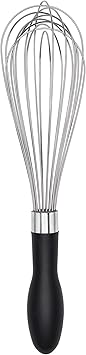
Measuring Cups and Spoons
Microplane or fine grater
Nonstick skillet or crepe pan

Post Comment