How To Freeze Cheese Without Ruining the Texture
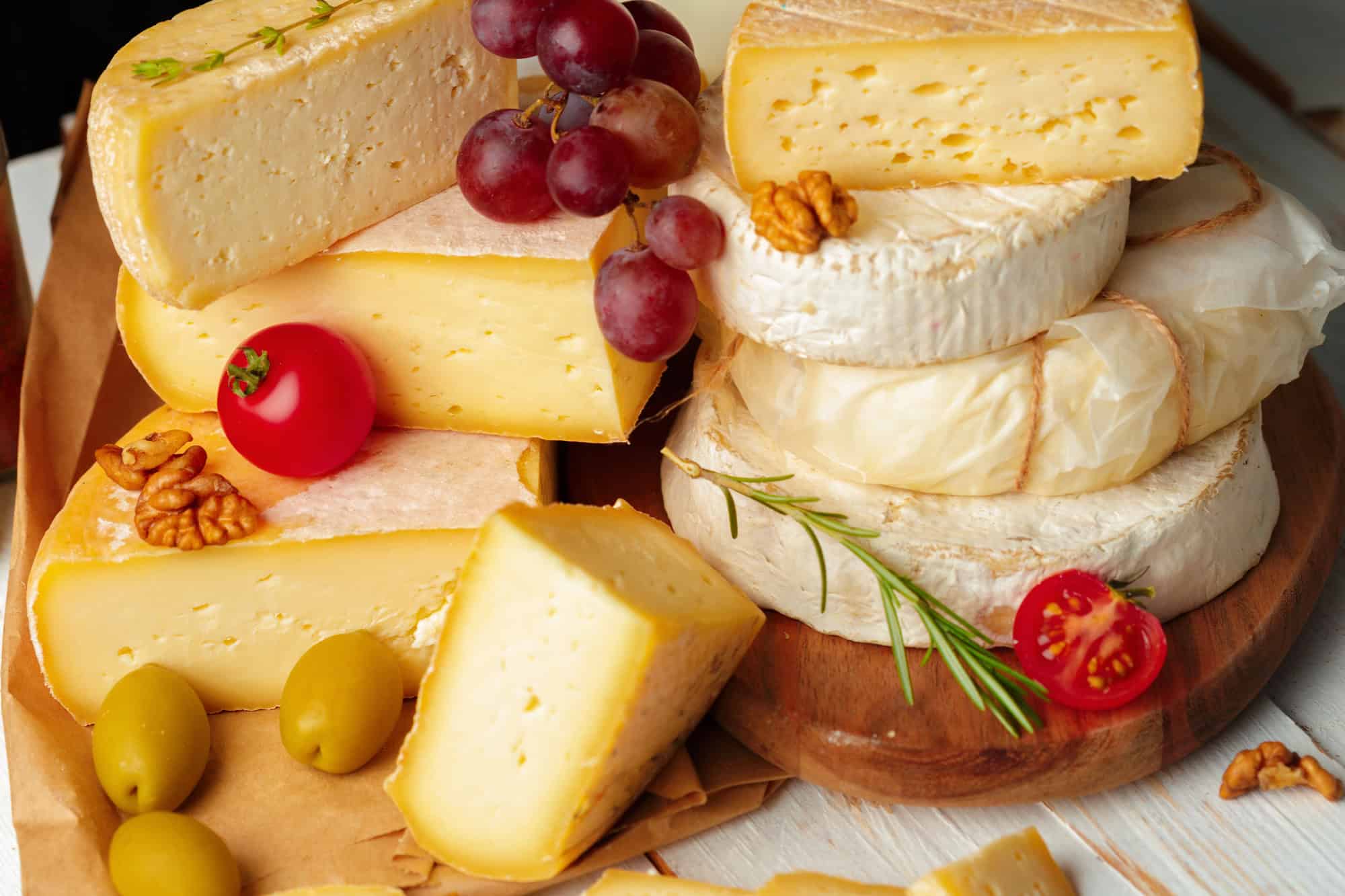
My freezer almost always has a few wrapped blocks and bags of cheese tucked into one corner. In an immigrant kitchen, you learn to buy the big block, the bulk bag, the thing that happens to be on sale, because waste feels almost physical, like tossing money out the window. Cheese turns up in so much of what I cook, from a bubbling cheese shakshuka to a tray of baked pasta, that I go through a lot of it. And since I eat gluten-free, good cheese is one of those naturally safe staples I lean on hard. So yes, I freeze cheese, and I have for years.
People have strong feelings about this. Some swear by it, others insist the freezer ruins cheese entirely. The honest answer sits somewhere in the middle: it depends on the cheese, and on what you plan to do with it once it thaws. Freezing can absolutely change the texture, but it does not make cheese unsafe to eat. If you are dreaming of clean slices for a cheese board, the freezer is the wrong tool. If you want cheese for casseroles, soups, and pizza, it is one of the easiest ways I know to stretch a grocery budget.
Here is everything I have learned about doing it without regret.
What actually happens when you freeze cheese?
The trouble all comes down to water. Cheese holds moisture, and when that moisture freezes, it expands into tiny ice crystals that push at the cheese’s structure from the inside. Those crystals are why a thawed block can feel crumbly or a little grainy where it used to be smooth. Fat has a small part to play, too, but moisture is the real troublemaker.
The reassuring news is that flavor comes through almost untouched. Frozen cheese still tastes like cheese. It just will not always slice or melt quite the way it did the day you bought it.
The cheeses that take to the freezer happily
The rule of thumb is simple: the drier and firmer the cheese, the better it freezes. Less water means fewer ice crystals, which means smaller changes once it thaws. These cheeses might crumble a touch more than before, but they still melt beautifully into a cooked dish.
The hard cheeses are your safest bet. Cheddar, Colby, Swiss, and Parmesan all freeze well, since they start with so little moisture to begin with. Parmesan is the real overachiever of the bunch. Both blocks and the pre-grated kind freeze wonderfully, and you can use them straight from frozen, grated over a pot of pasta or stirred into a marinara without thawing first.
The semi-hard cheeses do nearly as well. Monterey Jack, low-moisture block mozzarella, and provolone all come through the freezer in good shape. They may turn slightly softer or more crumbly after thawing, but they still melt smoothly in casseroles, sauces, and anything baked. Low-moisture mozzarella in particular is so dependable in an oven dish that you would be hard-pressed to notice it had ever been frozen.
And the ones that fight back
Some cheeses simply hate the cold, and no technique will talk them out of it.
The soft cheeses are the main offenders: cream cheese, ricotta, cottage cheese, Brie, and Camembert. Their high moisture and delicate structure mean freezing tends to split them, pushing the water out and leaving the texture grainy or curdled. Cream cheese can come out looking broken, ricotta turns watery, and a soft-ripened wheel loses the very creaminess that made it worth buying in the first place.
Fresh cheeses land in the same boat. Fresh mozzarella and soft goat cheese logs are only worth freezing if you know you will cook them through later, say blended into a casserole, and even then you should expect the texture to shift. If you want them at their best, eat them fresh and skip the freezer entirely.
How I actually freeze it
The trick is to treat cheese like meal prep, not like a single giant brick you shove in and forget about. Two things matter most: keeping air away from the cheese, and freezing it in the portions you will actually reach for, so it thaws fast and holds its texture.
Freeze it in recipe-size amounts, because refreezing only makes the texture problems worse. Cut blocks into small chunks, or shred the cheese in the quantities you use most often. Wrap each portion tightly in plastic wrap, then tuck it into a freezer bag or an airtight container to keep the freezer burn out.
Label every package with the type of cheese, the portion size, and the date it went in. Future you, squinting into the freezer three weeks from now, will be grateful.
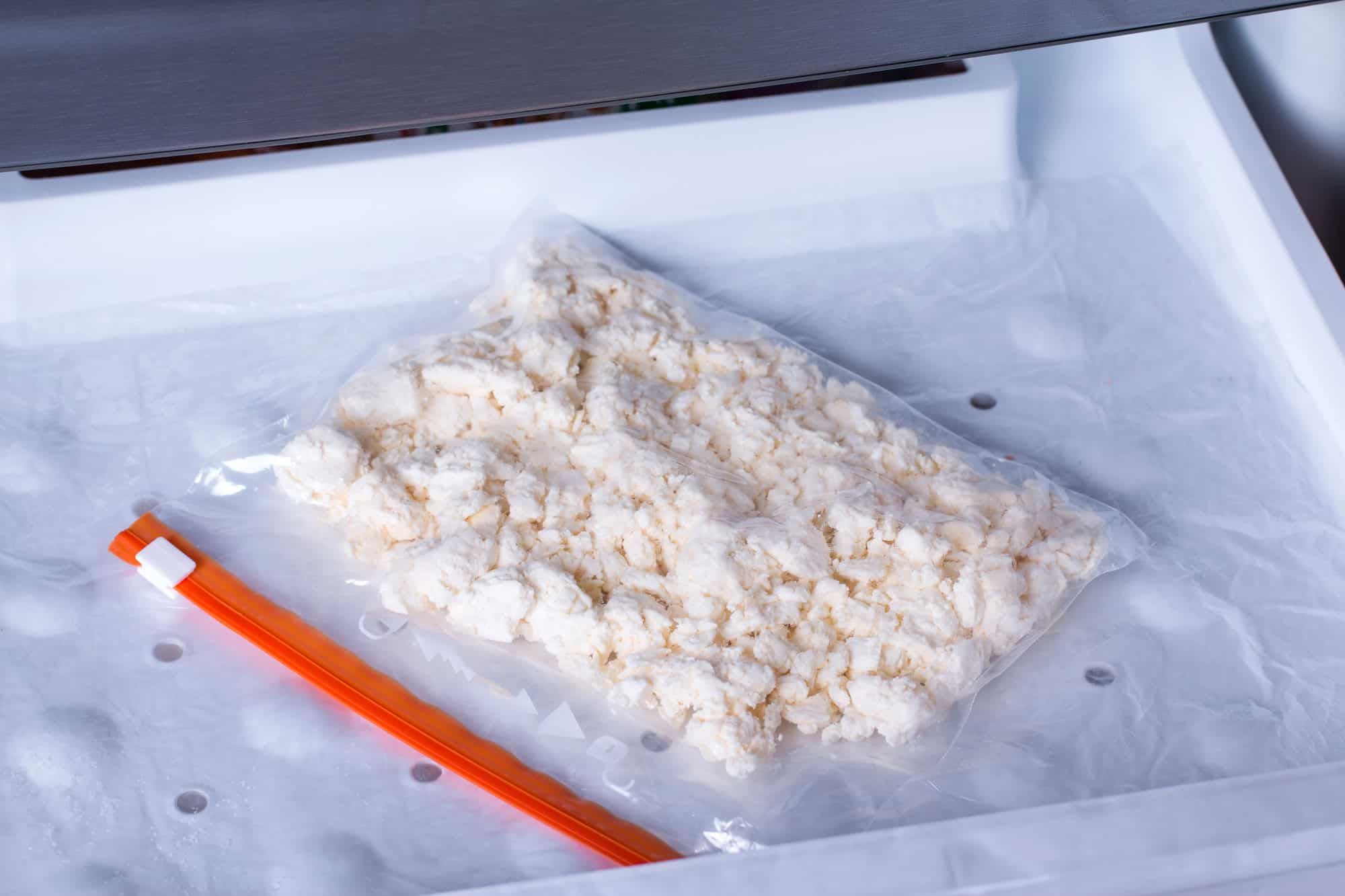
Shredded cheese deserves a special mention, because it freezes very well, especially the store-bought kind, which already contains anti-caking agents. You can absolutely shred your own and freeze it, though it tends to clump more once thawed. A light toss with a little cornstarch or flour helps keep it loose, but only do this if the cheese is headed for a cooked dish, since it is not the move for anything you want to eat fresh. Freeze shredded cheese in flat, thin bags so it thaws quickly and evenly, and as a bonus, the flat bags stack neatly instead of rolling around the freezer.
How long does frozen cheese actually last?
Most cheeses will sit happily in the freezer for several months, though the quality slowly drifts the longer they stay in there. What surprises people is that the wrapping matters more than the calendar.
- Most cheeses keep their best quality for about two to six months.
- Past that window, the texture and the melt start to suffer.
- How well it is wrapped affects the result more than how long it has been frozen.
In other words, a well-wrapped block at five months will usually beat a carelessly wrapped one at two.
Thawing without the sogginess
When it is time to use your cheese, move it to the refrigerator and let it thaw slowly. Patience pays off here, because slow thawing limits moisture loss and protects whatever texture you have left. Thawing on the counter is asking for trouble: it thaws unevenly and invites condensation, which leaves you with a damp, soggy result.
The happy exception is shredded or grated cheese. Those you can usually toss straight from the freezer into whatever you are cooking, no thawing required.
So what should you actually cook with it?
This is where frozen cheese earns its keep. It shines in cooked dishes, the kind where melting smooths over any little texture change and lets the flavor do the talking: casseroles, sauces, soups, mac and cheese, a proper grilled cheese. Pizza is a natural home for it too, that thawed mozzarella melting into bubbling pools the moment it hits the heat.

In my own kitchen, frozen cheese disappears into baked pastas, gratins, and a quick mac and cheese for Leo and Lin without anyone being the wiser. The melt hides everything.
The honest bottom line
Freezing cheese is not fancy, and it will not win you any points at a dinner party. But it works. It stretches the grocery budget, it keeps good food out of the bin, and it makes the week ahead a little easier to plan. Once you know which cheeses hold up and how to put them to work afterward, freezing becomes one of those quiet, dependable habits that simply makes a kitchen run smoother, the kind of small, practical thrift I grew up watching the women in my family practice without ever once making a fuss about it.
This article is adapted from one that originally appeared on Food Drink Life.

Post Comment