Why My Za’atar Salmon Sheet Pan Meal Has the Juiciest Fish

When the week wears me thin, I reach for the same tray. This za’atar salmon sheet pan meal turns a handful of pantry spices into crisp potatoes and tender salmon. Over the years, I’ve learned that small potatoes let everything finish together. The real magic, though, happens after the pan leaves the oven.

Jump to:
In our house, this salmon has a nickname. Leo calls it the tooth dinner, and the name stuck faster than I could object. The story behind it starts with a mouse.
I was about Leo’s age when I lost my first tooth. My mother wrapped it in a scrap of newspaper and placed it in my palm. Together, we tossed it behind the stove, where a mouse supposedly lived. I had to ask him politely to trade it for a stronger tooth.
For days afterward, I poked the gap with my tongue and listened for scratching behind the oven. That mouse stayed tucked away in my memory for decades. Last spring, he came back.
Leo’s front tooth started wobbling on a Sunday. By Tuesday, he was chewing on one side and guarding his mouth with his hand. Lin trailed him around the house, begging to touch it. He let her once, then made her pay him a cookie for the privilege.

That evening, I pulled this sheet pan out of the oven a little after six. Garlic, warm lemon, and the dried thyme in the za’atar filled the kitchen. The potatoes had turned golden and crackly where they touched the metal. Leo announced he would eat only the soft tomatoes.
Three bites in, he forgot his own rule. He speared the crispiest potato on the pan and bit down. Then he froze, mouth open, eyes huge. A thin pink line ran down his chin, and Lin shrieked with delight. Leo burst into tears, more from shock than pain. F dropped to the floor with his phone flashlight, and soon we were all searching. We checked the rug, the chair cushions, and somehow, Lin’s sock.
Twenty minutes later, I found the tooth on Leo’s plate, tucked between two roasted potatoes.

We sat back down to cold salmon and a very serious question. Leo’s classmates had told him about the tooth fairy and her coins. F grew up with Ratoncito Pérez, a tiny mouse who collects teeth and leaves gifts. Then I told them about my mouse behind the stove. That made two mice and a fairy, all claiming the same tooth.
By the end of dinner, the kids had decided they could all share it.
That night, the tooth went under Leo’s pillow in a folded napkin. By morning, it had become a coin, a tiny note in Spanish, and one sesame cracker. Leo still keeps the note in his sock drawer.
Looking back, that evening feels like a small picture of our family table. Three traditions sit down together most nights, argue a little, and land on something new. This salmon carries the same spirit. A Middle Eastern spice blend I’ve cooked with my whole life meets salmon and vegetables in one pan.
Leo has lost one more tooth since, at a much calmer moment. Still, whenever one wiggles, he asks for the tooth dinner. Lin checks her own smile in the oven door while it bakes, waiting for her turn.

Tooth or no tooth, salmon often shows up at our table. I make my Baked Harissa Salmon when F wants some heat. On rushed nights, I turn to my Pan-Fried Sockeye Salmon, which is ready in minutes. When friends come over, I bring out my Moroccan Salmon Sheet Pan Dinner, pairing cauliflower with olives for a generous spread.
This za’atar salmon recipe asks even less of me than those do. Half the spices coat the vegetables, while the rest gets pressed onto the fish with garlic. It sits somewhere between Middle Eastern home cooking and a Mediterranean dish you’d order by the sea. The potatoes crisp, the tomatoes slump into their own juices, and the salmon stays tender.
It’s a quick, one-pan dinner with easy cleanup, leaving room for whatever drama the evening brings. Somebody always steals a tomato off the pan before I finish plating. Those are usually the sweetest bites anyway.
Ingredients

You’ll need baby potatoes, grape or cherry tomatoes, a skin-on salmon fillet, and one lemon. The seasoning comes from garlic, olive oil, za’atar, sumac, ground coriander, and salt and pepper.
Salmon is the star here. I buy a skin-on fillet about an inch thick, since the skin shields the underside from the hot pan. Over the years, I’ve learned that wild salmon like sockeye is leaner and cooks a few minutes faster. Farmed salmon comes from fish farming that produces fattier fish, so it stays juicy a little longer. A skinless fillet works too, though the bottom cooks faster and dries out slightly.
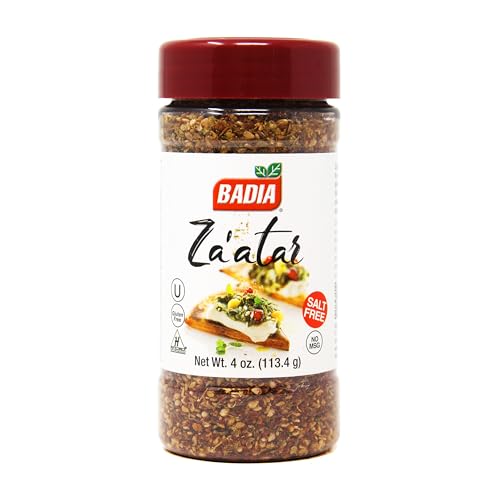
Za’atar gives this dish its whole personality. The spice blend usually mixes dried thyme, oregano, sumac, toasted sesame seeds, and salt. I’ve kept a jar in my pantry for as long as I can remember. Blends vary wildly from shop to shop, so trust your nose. Good za’atar spice smells green and herby the moment you open the jar. For a homemade mix, combine equal parts dried thyme, oregano, and sesame seeds with a pinch of sumac. It tastes brighter and less salty than store-bought, so season with salt a little more generously.
Baby potatoes turn this salmon-and-potatoes dish into a full meal. I reach for the smallest Yukon Gold or red potatoes, since their thin skins crisp without peeling. Size matters far more than variety here. Anything larger than a walnut needs quartering to finish within the short cooking time. Mediterranean cooking taught me how much potatoes love lemon and olive oil, much like traditional Greek lemon potatoes. Fingerlings work well as a swap, though you’ll need to halve them lengthwise to cook evenly.
Add the lemon at the very end; that timing matters. Fresh juice on hot salmon tastes bright and clean, while juice baked from the start loses its sparkle. I always use a real lemon here, since bottled juice tastes flat next to the za’atar. Lime works in a pinch, though it brings a sharper, more floral sourness.
See the recipe card for the full list and exact quantities.
Top Tips
Pat the Salmon Dry First– Wet fish makes the topping slide right off in the oven. I pat the salmon dry with paper towels so the za’atar garlic paste clings to every edge.
Tuck the Thin Tail Under – Most fillets taper to a thin tail that overcooks before the center finishes. Fold that end under so the whole piece cooks evenly. A thermometer takes the guessing out of cooking salmon. Aim for an internal temperature of 145°F (63°C) in the thickest part.
Broil for the Final Minute– Switch the oven to broil once the salmon is nearly done. The topping crisps and the tomato edges blister, so watch it closely.
How to Make Za’atar Salmon Sheet Pan Meal

This za’atar baked salmon is an easy dinner that comes together faster than most takeout. Everything cooks on one sheet pan, while the flavor-packed topping does most of the work. The real trick is getting the potatoes and fish to finish at the same moment. Watch the potatoes’ color and how the salmon flakes more than the timer.
Here’s how to make Za’atar Salmon Sheet Pan Meal:
Preheat the Oven
- Preheat the oven to 400°F (200°C) and line your pan with parchment paper. Give the oven a full 15 minutes to heat while you prep.
- A properly heated oven crisps the potato edges before the salmon finishes.
Season the Vegetables

- Add the salt and pepper last, then use your hands to coat every cut side. As you toss, the tomatoes start releasing juice, which helps the spices stick to the potatoes.
Spread Everything on the Pan

- Turn each potato cut side down, since that flat face browns best against the hot metal. Leave an open space in the center for the fish.
- If your potatoes are larger than a walnut, roast them alone for 10 minutes before adding the salmon.
Add the Salmon

- Nudge the potatoes and tomatoes close around it, so they catch the drippings as everything bakes.
- If the fish comes straight from the fridge, let it sit on the counter for 10 minutes first.
Spread the Za’atar Topping


- The mix should look like a loose, damp paste, with every bit of spice coated in oil. Then drizzle olive oil over any spots that still look dry.
Bake Until Tender
Bake for 15 to 16 minutes, until the salmon flakes easily with a fork. A paring knife should slide into the largest potato without any resistance. The fish turns from deep pink to pale coral, starting at the edges and moving toward the center.
Finish With Fresh Lemon

- The heat helps the fish soak up every drop. Sprinkle a little extra za’atar on top, and tuck a few lemon slices around the pan for serving.
Storage
Store leftovers in an airtight container in the fridge for up to 3 days. Keep the fish and vegetables together, since the potatoes soak up the lemon and spices overnight.
Leftover salmon tastes great cold, so there’s no need to warm it. I like flaking it over greens for lunch or tucking it into warm pita bread with the tomatoes. The potatoes also make a quick breakfast hash when fried with an egg.
To reheat, spread everything on a tray and warm it at 300°F (150°C) for about 10 minutes. Gentle heat keeps the fish moist while giving the potatoes a second chance to crisp. The microwave works fast, though salmon can turn rubbery quickly, so use short 30-second bursts.
FAQs
Move the salmon to a plate and cover it loosely with foil. Return the vegetables to the oven for another 8 to 10 minutes, until a knife slides easily into the potatoes. Next time, cut the potatoes smaller or give them a 10-minute head start before adding the salmon fillet.
Thin or skinless fillets cook fastest, so start checking them at the 12-minute mark. Pull the salmon as soon as the center turns pale coral and flakes with gentle pressure. Keeping the skin on and spreading the oily za’atar topping over the whole surface also helps prevent it from drying out.
Dried thyme scorches quickly when it sits dry on a hot pan. Mix the za’atar with olive oil before spreading it, so every bit is coated. If you broil at the end, watch the topping closely. Stale za’atar tastes harsh, so replace your jar every six months.
A final drizzle of olive oil and a squeeze of fresh lemon bring most pans back to life. Taste a potato and sprinkle on flaky salt if needed. For moisture, spoon the tomato juices over each plate. Finally, serve with a dollop of garlicky yogurt on the side.
Recipe
Tried and loved this recipe? Please leave a 5-star review below! Your reviews mean a lot to me, so if you’ve got any questions, please let me know in a comment.

Zaatar Salmon Sheet Pan Meal
This za’atar salmon sheet pan meal pairs flaky salmon with crisp potatoes and juicy tomatoes. Everything cooks together on one pan in about 30 minutes.
Ingredients
For the Vegetables:
- 12 small potatoes scrubbed and halved
- 2 cups grape tomatoes halved
- 2 tablespoons olive oil
- 2 tablespoons minced garlic
- 1 tablespoon za’atar
- ½ tablespoon sumac
- ½ teaspoon ground coriander
- ¼ teaspoon salt
- ¼ teaspoon black pepper
For the Salmon:
- 1 lb salmon fillet skin-on
- 1 lemon
For the Za’atar Topping:
- 1 tablespoon za’atar
- ½ tablespoon sumac
- ½ teaspoon ground coriander
- 1 tablespoon olive oil
- 1 tablespoon minced garlic
- ¼ teaspoon salt
- ¼ teaspoon black pepper
Instructions
-
Preheat oven to 400°F.
-
In a large bowl, toss halved potatoes and tomatoes with olive oil, garlic, za’atar, sumac, coriander, salt, and pepper until well coated.
-
Spread seasoned vegetables on a large baking sheet in a single layer. Place salmon fillet skin-side down on the baking sheet among the vegetables.
-
In a small bowl, mix all za’atar topping ingredients until combined. Spread mixture evenly over the salmon fillet.
-
Bake for 15-16 minutes, or until salmon flakes easily with a fork and potatoes are tender.
-
Remove from oven and immediately squeeze fresh lemon juice over the salmon. Sprinkle with additional za’atar before serving.

Post Comment