Crispy Gochujang Tofu With One Trick for a Sticky Red Glaze

Whenever the red tub in my fridge door starts calling, I make gochujang tofu. A spoonful of tomato paste goes into the sauce, which sounds odd until you see how it clings. The tofu browns completely in sesame oil before the sauce ever touches the pan. Spooned over rice, every piece comes out sticky, sweet, and gently hot.

Jump to:
I was maybe five when I first tasted something spicy. Most of that day has faded, and my mother fills in the rest. It happened at a covered market where she shopped on Saturdays. Near the back, Korean families sold salads from wide trays. They’d lived far from Korea for generations.
What I remember comes in pieces. I can still see the colors, bright against the winter grey. There was orange carrot, something red, and curly brown fern shoots. I remember the smell of garlic and vinegar more than any face. My mother handed me one long strand of carrot to try.
I ate it right there in the cold, my mittens dangling from their strings. The heat arrived a second late and climbed straight up my nose. My eyes watered and my cheeks burned. My mother says I asked for another one immediately. From then on, she asked for a little extra every Saturday.

Decades later, gochujang found me. My first spoonful brought that market heat rushing back, only deeper and sweeter. From then on, a red tub lived in my fridge door.
Then came nine months of heartburn, and I left every spicy thing I loved on my plate. I taped a list to the kitchen cabinet of everything I’d eat once the baby came. Gochujang tofu sat at the very top. Some nights, I opened the tub just to smell it.
The night it finally came off that list, Leo was eleven days old. I hadn’t slept more than two hours in a row since the hospital. Every time I tried to set him down, his tiny face crumpled. Around three in the morning, F stumbled out of the bedroom. He lifted Leo off my chest and nodded toward the kitchen.

For the first time in eleven days, my hands were empty. I stood barefoot on the cold tiles in his old sweater. Every bowl we owned was dirty, so I whisked the sauce in a coffee mug. When I added the gochujang, the whole apartment filled with the smell of garlic and sesame.
I ate standing at the counter, straight from the pan, and burned my fingers on the first bite. The heat climbed up the back of my nose, just like it had at that market. My eyes filled, and I honestly don’t know whether it was the gochujang or everything else. Through the doorway, I could see F asleep, sitting up, with Leo asleep on his chest.
That night, cooking felt like getting a piece of myself back. I’ve cooked this gochujang tofu countless times since, testing it into the recipe I make today.
The list came down years ago. The tradition stayed. Leo, almost seven now, recently asked for F’s bowl. He took one brave bite, turned pink to the ears, and reached straight for the rice. Lin licked one piece, declared it too loud, and went back to her own bowl. Every time I make it, I think of a cold kitchen at three in the morning and empty hands.

Those carrot salads eventually led me to my Russian Korean-Style Kohlrabi Salad, a crunchy, garlicky cousin of the ones I grew up on. When the nights turn cold, I bring out the gochujang tub again for my Spicy Gochujang Tahini Cabbage Soup. Creamy tahini softens the heat in every spoonful. For weekends with family, I make Korean-Style Duck in Wine Sauce, and the platter always comes back empty.
This tofu recipe takes a much simpler path than the duck. Everything happens in one pan on the stovetop, in about the time it takes to cook rice. The cornstarch coating soaks up the sweet, spicy gochujang sauce, so every piece turns sticky and glossy. It’s fully vegan, too, with a heat level you can turn up or down. Out of all the delicious tofu recipes I’ve made, this is the one I come back to most on busy weeknights.
Some nights, a small hand still sneaks toward F’s plate. I’ve learned to make extra.
Ingredients

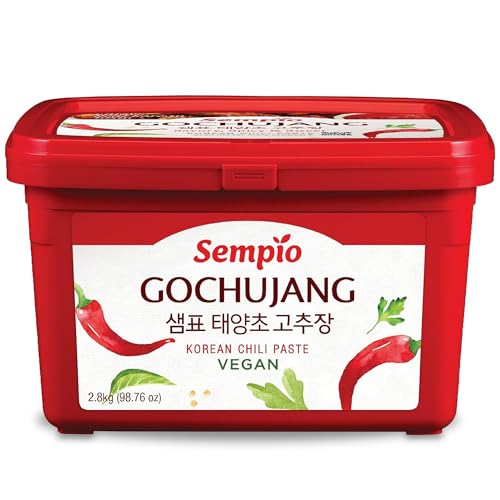
Gochujang is a Korean fermented chili paste made from red chili powder, sticky rice, fermented soybeans, and salt. Many brands also add barley or wheat. Korean families traditionally fermented it for months in clay pots, set out in the sun on terraces and rooftops. That slow fermentation gives it a deep, savory heat with a gentle sweetness underneath.
It’s thick and sticky, a lot like tomato paste. Straight from the tub, it tastes salty, spicy, and slightly funky. Once it hits a hot pan with sugar and soy sauce, it turns glossy and rich. In Korean kitchens, it goes into bibimbap, tteokbokki rice cakes, stews, and marinades.
You’ll usually find it in a red plastic tub at Asian grocery stores and many regular supermarkets. Many tubs print a heat level on the label, from mild to very hot. I started with a mild Korean gochujang years ago and slowly worked my way up. For this recipe, mild or medium is a great place to start.
Check the label for two things. Look for the word “paste,” since gochugaru is a different product made from dried chili flakes. Many brands also contain wheat, so choose a gluten-free gochujang paste if you need one. Most gochujang is vegan, so this whole dish is vegan too.
For the tofu, I reach for firm tofu or extra firm tofu. Both hold their shape as you fry and flip the tofu cubes. Soft or silken tofu breaks apart in the pan, so save it for soups. The best tofu for this dish feels heavy and dense through the package.
See the recipe card for the full list and exact quantities.
Top Tips
Grate the Garlic and Ginger – A fine grater turns both into a paste that melts into the sauce. Chunky bits can scorch before the sauce thickens.
Taste the Sauce Before Cooking– Every brand of gochujang has a different amount of salt and sugar. Try a spoonful after whisking. If it tastes too salty, add a splash of maple syrup. If a sauce tastes too sweet, add a little more rice vinegar.
Reach for a Nonstick Pan – Pan-fried tofu with a cornstarch coat loves to stick to stainless steel. A nonstick or well-seasoned cast iron pan lets each piece flip cleanly. I use the same pan for my stir fries.
How to Make Gochujang Tofu

This vegan spicy gochujang tofu comes together quickly once the sauce is waiting by the stove. A few small details make the difference between soggy tofu and crispy tofu with a sticky glaze. Watch the tofu’s color and the sauce’s thickness more than the clock. Here’s how to make this tofu with gochujang:
Whisk the Sauce


- Keep all of the water in, since it loosens the sauce enough to coat the tofu evenly. Mixing it first keeps things calm once the pan heats up.
Drain, Cut, and Coat the Tofu

- Stop once the dripping slows, before the block starts to crack. Cut it into about 25 pieces, then slice each into 2 to 4 smaller tofu pieces.
- Toss them with the cornstarch, soy sauce, salt, and pepper until evenly coated.
- Go light on the pepper, since the gochujang sauce brings plenty of heat.
- Toss them with the cornstarch, soy sauce, salt, and pepper until evenly coated.
Brown the Tofu in Sesame Oil


- To bake the tofu instead, roast it on a lined sheet pan at 400°F (200°C) for 25 to 30 minutes.
- Flip halfway for crispy baked tofu.
- Air fryer tofu needs 12 to 15 minutes at the same temperature. Pan-fried tofu still browns fastest, so the stovetop wins most nights.
Cook the Sauce Until Glossy

- Stir constantly for a couple of minutes, until the sauce thickens and coats the back of a spoon.
- The sugar and maple syrup can scorch fast, so keep the spoon moving the whole time.
Toss the Tofu in the Sauce


- Take the pan off the heat right away, since the glaze can go from sticky to burnt quickly.
Serve With Rice and Broccoli


- Tofu and rice is our most requested weeknight dinner. If you love kung pao tofu, this sweet and spicy sauce will feel familiar, with a deeper fermented warmth. On its own, the tofu serves closer to 2 people.
Storage

Let the tofu cool, then store it in an airtight container in the fridge for 3 to 4 days. Leftovers from this spicy gochujang tofu recipe make a great packed lunch, though the coating softens a little overnight. I keep the rice in a separate container so it stays fluffy.
To reheat, microwave the tofu in 15- to 20-second bursts. Stir between each one until it’s warm all the way through. Short bursts keep the glaze glossy instead of hard at the edges. For crispier leftovers, warm the pieces in a hot pan for a minute or two, flipping often.
FAQs

Soggy tofu usually comes from extra water or a pan that isn’t hot enough. Squeeze out as much liquid as you can without crumbling the block. Keep the cornstarch coating, and let the pan fully heat up before adding the tofu. Wait until every side turns golden before adding the sauce.
Bitterness almost always means something burned. Toasted sesame oil, garlic, and the sugars in the sauce all scorch quickly over high heat. Keep the burner at medium and stir the sauce constantly. If it already tastes bitter, a splash of maple syrup can soften it, though starting fresh gives the best result.
Start with just 1 tablespoon of gochujang for mild, gentle warmth. Choose a tub labeled mild, since heat levels vary between brands. Go light on the black pepper, too. Serving the tofu over plenty of white rice with steamed broccoli also softens each bite. A drizzle of extra maple syrup helps, too.
A watery sauce just needs more time in the pan. Keep stirring over medium heat until it thickens and coats the back of a spoon. Once you add the tofu back in, flip it almost constantly. The cornstarch coat soaks up the rest, leaving a sticky glaze instead of a puddle.
Recipe
Tried and loved this recipe? Please leave a 5-star review below! Your reviews mean a lot to me, so if you’ve got any questions, please let me know in a comment.

Gochujang Tofu
Sweet heat, a savory glaze, and crispy edges make this gochujang tofu a weeknight favorite. Spoon it over rice and finish with toasted sesame seeds.
Ingredients
Tofu:
- 1 package (14 to 16 oz) firm tofu drained with excess liquid squeezed out
- 1 tablespoon cornstarch
- 2 tablespoons soy sauce
- ½ teaspoon salt optional
- Black pepper to taste
Gochujang Sauce:
- 1 to 3 tablespoons gochujang
- 3 tablespoons soy sauce
- 2 tablespoons rice vinegar
- 1 tablespoon brown sugar
- 2 tablespoons maple syrup
- 1 tablespoon tomato paste
- 2 tablespoons water
- 3 garlic cloves minced
- ½ to 1 inch piece fresh ginger minced
Garnish and Serving:
- Sesame seeds
- Green onion sliced
- White rice
- Broccoli
Instructions
-
Cut the drained tofu into a 5-by-5 grid of 25 pieces, then slice each into 2 to 4 smaller pieces.
-
Toss the tofu in a bowl with the cornstarch, soy sauce, salt, and pepper. Set aside.
-
In a second bowl, whisk all of the sauce ingredients until combined.
-
Heat a few teaspoons of toasted sesame oil in a large pan over medium heat. Add the tofu and cook, flipping occasionally, until golden on all sides, about 5 minutes. Wipe out the tofu bowl while it cooks, then return the tofu to it.
-
Pour the sauce into the pan and stir constantly until it thickens and coats the back of a spoon, about 2 minutes.
-
Return the tofu to the pan and stir almost constantly until it absorbs all of the sauce. Serve over white rice with broccoli, topped with sesame seeds and sliced green onion.
Notes
- Make the sauce first so cooking moves quickly once the pan is hot.
- Cornstarch is essential. It helps the tofu brown and hold up in the sauce.
- Use 1 tablespoon of gochujang for a mild, kid-friendly batch, or up to 3 for more heat. Go light on black pepper.
- Regular or reduced-sodium soy sauce both work. Any cooking oil can replace the toasted sesame oil.
- Once the sauce goes in, flip constantly to prevent burning. It’s done when the tofu has absorbed all the sauce.
- Without rice and vegetables, this serves about 2.

Post Comment