How To Freeze Summer Squash Three Ways : At the Immigrant’s Table
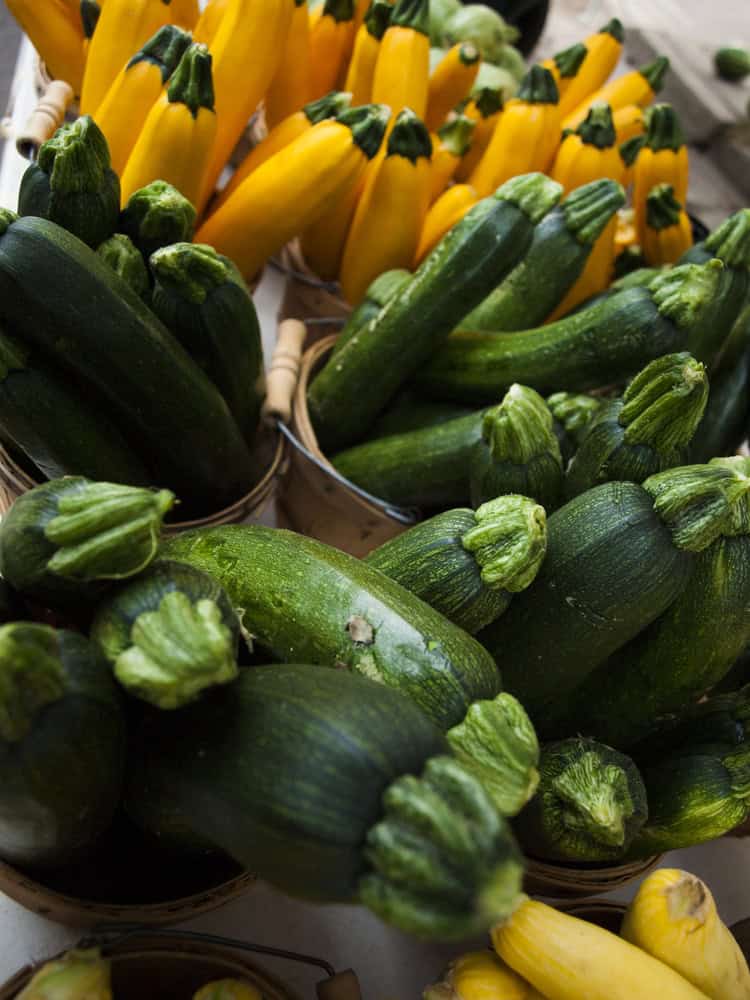
Enjoying tender-crisp summer squash is one of the best parts of summer, and freezing summer squash is a straightforward, efficient method to maintain its flavor and texture long after the season ends. Believe me, I count on it, because August in Montreal has a sense of humor. For months the markets offer you the same tired vegetables, and then suddenly the stalls are drowning in zucchini and yellow squash, and every gardener you know is trying to press a grocery bag of them into your hands. In a city where summer is short and precious, letting any of that go soft in the fridge feels like a small betrayal of the season.
So I freeze it. All of it, in three different ways, depending on what I plan to cook later. And that last part is the real secret, because the method you choose in August decides what you can make in February. Freeze it wrong for the dish you have in mind, and you’ll be disappointed. Match the method to the meal, and you get to eat summer all winter long.
Here are the three ways, and exactly when to use each one.
Freezing summer squash
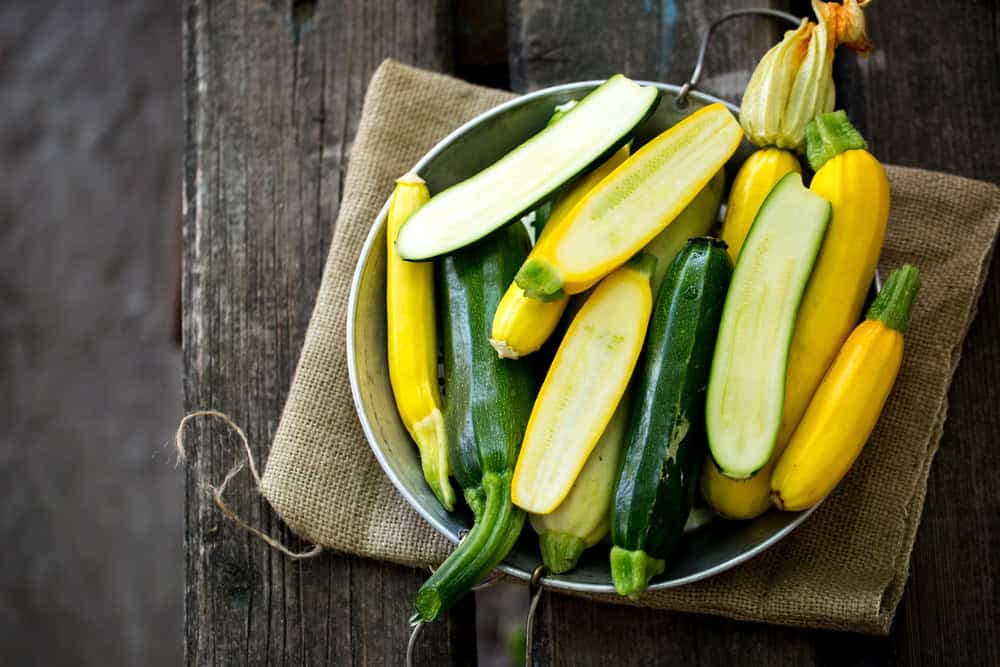
There are three simple ways to freeze summer squash that will prolong the life of your crop. This will allow you to enjoy a delicious taste of summer well into the winter months, which, here in Montreal, is when I need it most. Follow the easy steps outlined below for optimal frozen summer squash.
Method 1: Whole or sliced summer squash
This first method is the easiest. You can prepare it sliced or leave it whole to put in the freezer.
Step 1: Wash and dry the summer squash thoroughly.
Step 2: If desired, slice or dice the summer squash into bite-sized pieces. This can help it maintain its texture and make portioning easier once it is thawed.
Step 3: Pack the squash into freezer bags or containers, remove excess air and seal tightly before freezing.
Method 2: Blanched
This method requires one extra step. Blanching prevents enzymes from making food lose its flavor and color. It is the same trick I swear by when freezing cabbage, and it makes all the difference months later.
Step 1: Create an ice bath by placing several ice cubes in a large bowl and filling it with cold water.
Step 2: Wash the summer squash well under cool running water.
Step 3: Slice or dice the summer squash into bite-sized pieces.
Step 4: Bring a large pot of water to a boil.
Step 5: Blanch the pieces of summer squash in boiling water for about one to three minutes, then quickly cool them in the ice water bath.
Method 3: Grating and freezing
This method freezes squash quickly. It is best used in recipes that call for grated squash. In my kitchen, that means dill zucchini fritters, which are gluten-free, so I get to enjoy them right alongside my kids.
Step 1: Grate the squash.
Step 2: Place it in freezer-safe plastic or reusable silicone bags.
Step 3: Remove as much air as possible from the bags, seal tightly and place in the freezer.
How to reheat and serve frozen summer squash
Be sure to choose the correct method for each variety of frozen summer squash.
Whole or sliced
This can be used directly from the freezer, or you can place the squash in the fridge overnight to thaw. If using frozen, add the squash directly to the dish you are cooking, allowing it plenty of time to heat through before serving.
Whole or sliced squash is best for pasta, stir-fries and side dishes where the texture of the squash is important, like in an air fryer zucchini and squash recipe. You can serve the squash simply by sautéeing it in olive oil with garlic, salt and pepper. It is also delicious as a part of a medley of roasted vegetables.
To round off the flavor of your dish, garnish with fresh herbs like parsley or basil. Different condiments can nicely complement the flavor of simply prepared summer squash, such as a creamy yogurt sauce or a bright and spicy hot sauce.
Blanched
Blanched summer squash can be microwaved on the defrost setting of your microwave until it is no longer frozen. You can also thaw it overnight in the refrigerator or add the squash directly to a dish you are cooking, like a soup or stew.
This method is closest to the vegetables you’ll find in the frozen section at the grocery store, which is already cooked and just needs reheating. Blanched squash is excellent for soups and stews, casseroles and other dishes where maintaining the texture of the vegetable is not as essential.
“Frozen summer squash has saved me from dinner woes countless times. I usually end up with too much from my community-supported agriculture box and vegetable garden, so freezing it saves me from tossing it. It’s delicious in pasta, soups or as a side dish. We’ve even put it on pizza a few times.”
– Susannah Brinkley-Henry, Feast + West
Grated and frozen
First, thaw the summer squash either in the microwave on the defrost settings or in the fridge overnight. This variety is convenient for recipes where grated squash is used, such as in baked goods or casseroles.
Final thoughts
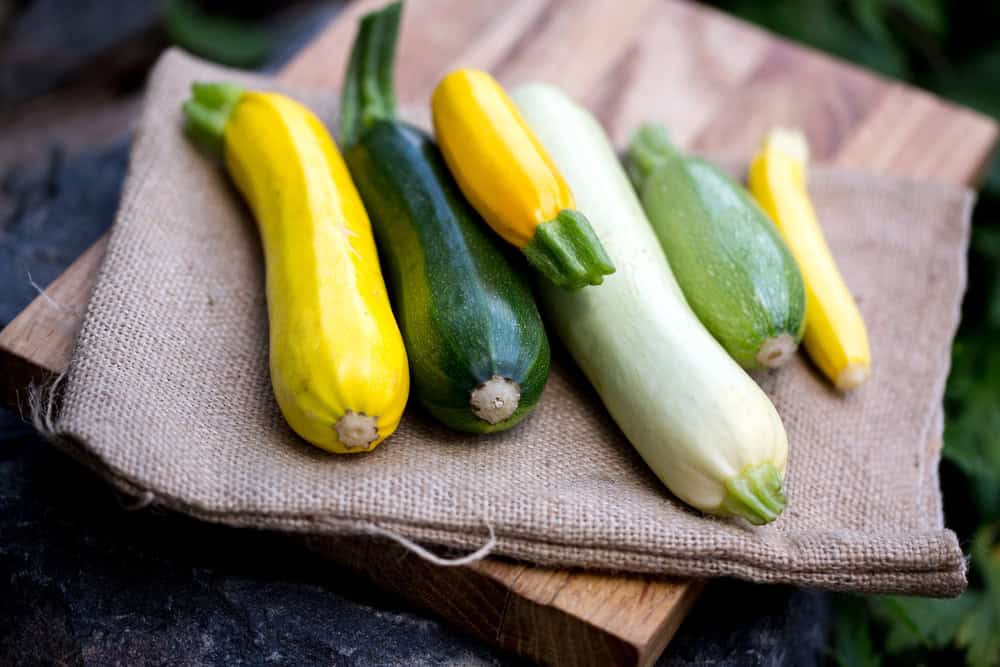
Preserving summer squash through freezing is a straightforward way to extend its seasonal enjoyment. Whether you choose to freeze whole, sliced, blanched or grated squash, each method offers versatility in future culinary uses.
With these techniques, you can savor the taste of summer squash in various dishes throughout the year, maintaining its fresh flavor and texture. Be sure to consider the type of freezing method when deciding how to prepare frozen summer squash. Unblanched squash can be added to simple dishes like pasta, sautéed vegetable sides and roasted vegetables. Blanched squash is better suited to dishes where the texture is not as prominent, such as soups and stews. Grated squash can be added to casseroles and baked goods.
Try these different methods of preserving summer squash this summer to see what works best for you. Using the simple steps presented in this article, you’ll have this delicious seasonal crop available to you year-round.
For more freezing and preserving guides:
This article is adapted from one that originally appeared on Food Drink Life.

Post Comment